← Back to All Client Results

THE CHALLENGE

An acquired company hit crisis almost immediately, with flooding, war-driven tariffs, and supply chain breakdowns forcing a full-time step in to rebuild from the ground up.

THE SHIFT

Working through an invasive imposter-syndrome pattern to see himself not as one cog in the machine, but as the driver and the product that enables value to be created.

THE OUTCOME

Stepped fully into the CEO identity, building a team culture rooted in proactivity and vision, and staying agile enough to turn market disruption into opportunity.

Olivia Gamber

A Note From The Founder

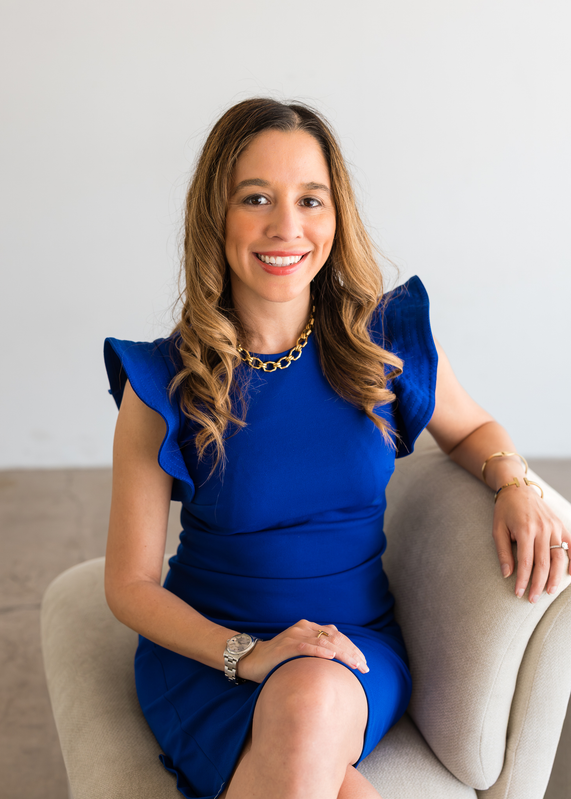
Olivia Gamber, CEO

When I first started working with Keith Gillard, he had spent twenty five years as an investor, moving across a portfolio of clean tech and sustainability companies as a venture capitalist and private equity partner. He was used to being one voice among many, bringing vision and capital to a dozen companies at a time rather than standing fully behind one. That changed when a company he and a partner acquired ran into crisis after crisis, from flooding that cut off supply chains to tariffs triggered by war in Ukraine. Stepping in full time to rebuild that business, exhausted but deeply satisfied by the work, Keith realized what he actually wanted was to lead one company in the trenches rather than oversee many from a distance.

That realization set him on the path to becoming CEO of Sestero, Canada's leader in sustainable aviation fuel. But stepping into that title was never just a matter of changing his business card. Keith came to our work together knowing he had gaps to close, particularly around self-image and a nagging sense that his accomplishments were never quite enough. He named what he was carrying as an invasive program rather than something innate to him, and that distinction let him reject it instead of accepting it as part of his identity.

What I watched happen next was a shift from Keith seeing himself as one cog in a machine to recognizing himself as the driver, the product that enables value to be created in the first place. That shift changed how he shows up as a leader: setting a vision grounded in data and market fit, trusting his team to rise into proactivity rather than simply follow instructions, and staying agile as tariffs and market conditions move around him. His story is a clear example of what happens when a leader stops managing a portfolio and starts fully owning the company, and himself, as the driving force.

THE CRISIS THAT CHANGED EVERYTHING

Olivia Gamber

Yeah it's exciting time because now that I see you fully not only stepped in your role as a CEO that was a huge transition for you so do you mind sharing a little bit about just your recent career transition and how you got to this point?

Keith Gillard

Sure so I did 25 years of clean tech venture capital and then private equity focused on sustainability and clean energy doing more with less that's essentially as much as you can boil it down to. In 2021 together with a partner we had bought a clean tech building materials company really compelling very exciting had a 93% market share here in western Canada in a particular part of the market that was extremely convincing for us

“We ran into a lot of problems almost immediately after we acquired the company it started with weather with flooding cutting off all of their supply chain and their routes to markets”

Keith Gillard

tariffs on that side as well and that's gotten worse in 2025 but with this crisis and things on fire all around us and collapsing my partner and I had to step in to the company on a full-time plus basis to put out those fires and rebuild things and fire people and hire people and really fix a lot of problems and it was exhausting at the end of the day after 16 hours and just be bone tired and also deeply deeply satisfied wow through all the way through me and I would turn to my partner and say oh I feel so good I'm also incredibly tired but doing this work feels so good so it got me thinking maybe what I really want is to be in a leadership position in the trenches actually building things applying my vision on a full-time basis

OVERCOMING THE INVASIVE PROGRAM

Olivia Gamber

which is the direction I went absolutely and I know you and I talked a lot about you and your identity as a CEO right that's a big shift and everyone kind of defines that role differently but for you how did you really make such a big transition and really step into now I see you on stages getting investors there's so much that has shifted for you and you're really the face of your brand now would love to hear that transition and what that looked like well yeah

Keith Gillard

thank you very much I've always been very comfortable in a leadership position and also I've known for years that I had some gaps to fill ... and I'd done this and I'd done this and I'd accomplished this and I'd won this award and achieved all these things there was still this feeling this deep core belief which I came to understand was an invasive program it wasn't some inner child for me it was something that had come from external and as soon as I started treating it as like a virus that had invaded my operating system and became hostile to it began to completely reject it and push it out and not recognize it as part of myself anymore that I was able to overcome it so I knew that I had these areas that I needed some work and

BECOMING THE PRODUCT

Olivia Gamber

top ceo that we all admire is very conscious of their self-image what their values are what they align with what they don't and so for you to really go deep with that work I think it's phenomenal because that's I think played a direct role in your takeoff and rapid takeoff I've been watching and so I'd love to hear like a lot of I would say c-suite leaders shy away from some of this work and I'm wondering for you it seems to be a huge priority why has that made such a difference for you what it comes

Keith Gillard

what it comes down to is myself right my myself I am the driver I am the product that enables value to be created and until I was able to fully make the shift to looking at myself that way I was always perceiving myself as being just one cog in a machine maybe an important cog maybe even the crank that gets things going I'm very good at initiation but to keep things going on an ongoing basis I was just part of it and I had to shift the perception and I want to emphasize this might sound like it's about ego and it's not I would not be able to accomplish the things that I do right now if I saw myself as just part of a part of something that was not within my full scope vision

“ideally a leader is someone who inspires the rest of their team to rise above and beyond proactivity is something that I stress over and over again”

MAPPING THE ROAD AHEAD

Olivia Gamber

wonderful to stay in contact with all these people that's fantastic well as far as as you look into 2026 and as a ceo take us into your mindset how do you plan strategize what is what are the key pieces that you do as you plan for next year do you have goal setting processes how does that look for you

Keith Gillard

2026 is very mapped out for us we know what we have to do in order to hit our objective of shipping commercially at the beginning of 2029 so over the course of 2026 there's a lot that has to happen in order to keep that a reality keep that on track so i have key people that i need to hire that i need to bring on to the team

“agility is always important if you're too rigid you will miss opportunities and not be able to react to new threats in the market”

READY TO LEAD LIKE THE PRODUCT YOU BUILD?

Keith Gillard rebuilt his self-image under crisis, stepped fully into the CEO identity, and turned market disruption into advantage. Your transformation into the leader your vision requires starts with the same work.

Read the full transcript

Olivia: was a huge transition for you so do you mind sharing a little bit about just your recent career transition and how you got to this point?

Keith: so it got me thinking maybe what I really want is to be in a leadership position in the trenches actually building things applying my vision on a full-time basis and not on a portfolio basis in venture capital of course we're involved with a dozen companies at a time and uh and they all have the benefit of our our network and our vision etc but not on a full-time

Olivia: would love to hear that transition and you know what what that looked like well yeah

Keith: I've always been very comfortable in a leadership position and also I've known for years that I had some gaps to fill and a lot of those gaps are on self-image how do I overcome this nagging imposter syndrome that almost everybody suffers from to some extent or another how do I get

Olivia: made such a difference for you what it comes

Keith: I was always perceiving myself as being just one cog in a machine maybe an important cog maybe even the the crank that that gets things going I'm very good at initiation but uh to keep things going on an ongoing basis I was just part of it and I had to shift the perception and I want to emphasize this might sound like it's about ego and it's it's not uh I would not be able to accomplish the things that I do right now if I saw myself as just part of

Olivia: share with us that we didn't get to

Keith: my energy would just crash my performance would absolutely suffer after being in that top decile for days or a couple of weeks yeah it would just crash and most of the time i'd be around 50 and really frustrated and dissatisfied because i want that feeling i want that where i can perform at that top level that's incredible it's it feels so good and of course i accomplish so much at such a high quality but most of the time i

[Question shown on screen]: How did you really make such a big transition?

Keith: so I began working with an executive coach who is a specialist in leaders that have my particular neurodivergence and also uh on the career side because I knew this was a transition uh um I was very impressed with a presentation that you gave to the uh to the c-suite network and so we had our first meeting and we began to do some work there around how to set up for a career transition to move from being an investor of portfolio to being a ceo of one company

Keith: down to is myself right my myself I am the driver I am the the product that enables value to be created

Olivia: how are you staying you know resilient and keeping the momentum going

Keith: I'm in negotiations with major overseas airlines and we had calculated out exactly how much of this fuel they need coming out of Canada for all of their Canadian departing flights and then when they told us how much they needed it was 40 times higher than what they'd estimated

[Question shown on screen]: Is there anything that you'd like to share with us that we didn't get to?

Keith: at that level and it feels so good and there's no way that we could have accomplished everything we've accomplished in sistero in the short period of time that we've been doing this if i hadn't been able to be operating at that level consistently

[Question shown on screen]: How are you staying resilient and keeping the momentum going?

Keith: and there are 120 shuttered paper mills across Canada

Olivia: what is what are the key pieces that you do as you plan for next year do you have goal setting processes how does that look for you

Keith: hit our objective of shipping commercially at the beginning of 2029 so over