Executive Positioning Strategy: How to Stop Leading With Your Background in 2026
Jun 23, 2026The Positioning Gap Nobody Is Talking About
There is a gap in the executive market that most career coaches never name.
Not a skills gap. Not a credentials gap. Not a market timing gap.
A positioning gap.
The executives on the wrong side of it are qualified, experienced, and genuinely capable of producing significant organizational value. They are doing everything the conventional playbook recommends. And they are producing results that do not reflect what they carry.
The executives on the right side of it are not more qualified. They are not luckier. They have not been in the market longer or worked at better companies or accumulated more impressive titles.
They lead with something completely different in every conversation.
And the difference between the two groups is the entirety of the gap.
What Background-First Positioning Actually Does
Most senior executives lead with their background. Where they have been. What they have held. What organizations they have worked for.
The instinct makes complete sense. The background is real. It is built. It is what they are proud of. It represents decades of accumulated experience and genuine achievement.
Here is what it does when it arrives in a room.
It gives the buyer a list.
A list of previous employers. A list of titles accumulated in sequence. A list of accomplishments organized by organization and year. A list that asks the buyer to do the work of connecting the executive's history to the organization's current need.
And a list invites comparison. Every other qualified executive in the process also has a list. Some lists are longer. Some have more recognizable logos. Some have higher titles. The executive with the most impressive list wins only when the buyer has no better signal to use.
In 2026, the buyer almost always has a better signal.
83 percent of applications are screened by AI before a human reads a single word. The Trust Recession has made decision-makers at the C-suite level deeply skeptical of polished profiles. They have been burned by impressive lists that did not represent impressive people. They have watched AI produce identical polished summaries for every candidate regardless of genuine capability.
They are scanning for one thing.
Does this person actually understand my problem?
A list does not answer that question. A list describes a person. It does not describe a solution to an expensive problem that is costing the organization margin, time, risk, or competitive position right now.
What Solution-First Positioning Is
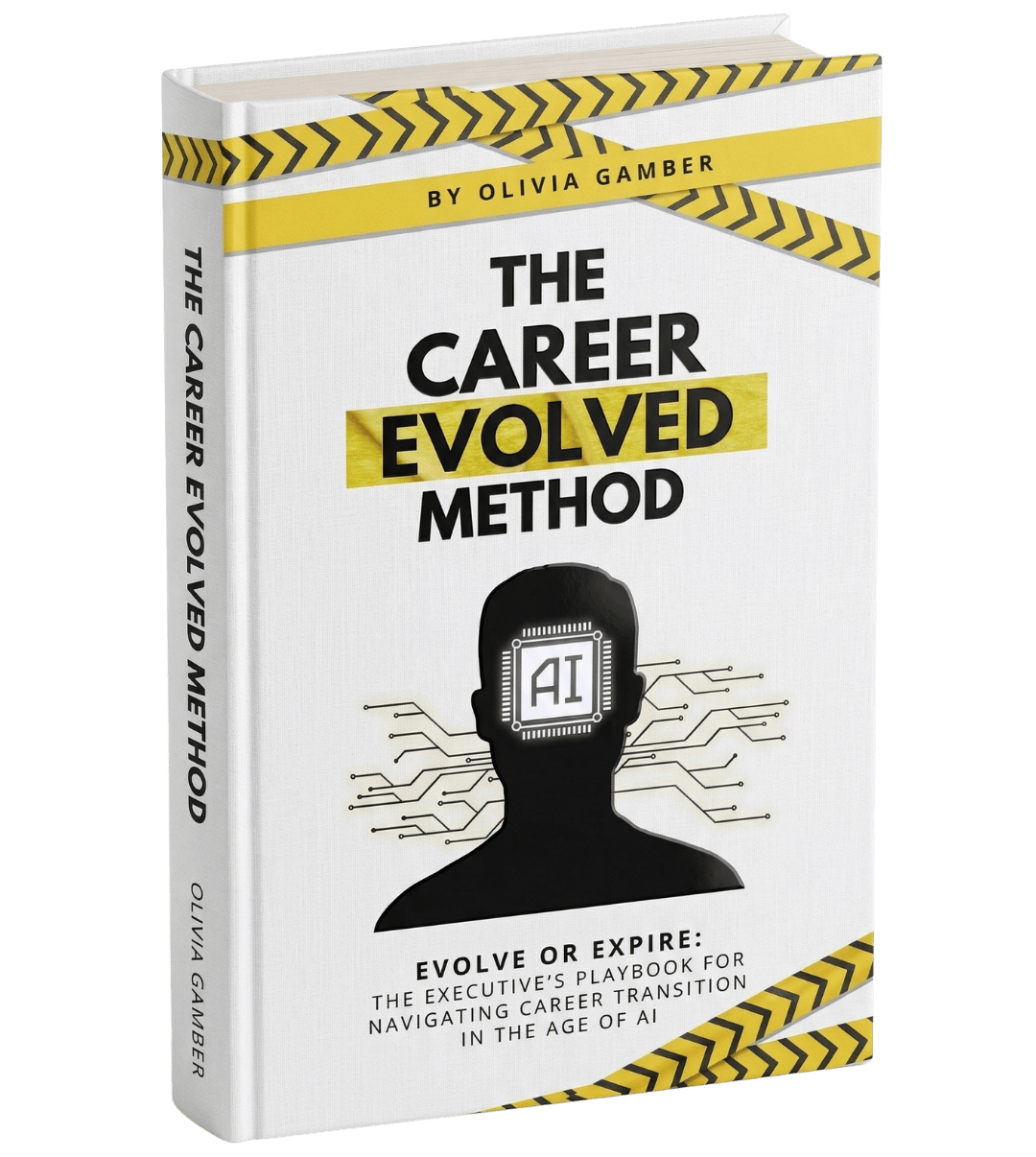
Solution-first positioning is the core positioning philosophy of The Career Evolved Method. It is the shift that changes every document, every conversation, and every outcome.
You stop telling the market what you are. You start telling the market what you solve.
The difference in practice is immediate and visceral.
Background-first: "Senior Vice President of Operations with eighteen years of experience managing complex supply chain environments across Fortune 500 and high-growth organizations."
That sentence describes a person. It gives the reader a list. It asks them to figure out whether your history matches their need.
Solution-first: "I work with mid-market companies that are scaling faster than their operations infrastructure can support. That gap typically costs fifteen to twenty points of margin annually. I close it."
That sentence describes a solution to an expensive problem.
The C-suite leader losing margin because the operations cannot scale reads the second version and thinks: this person has been inside my situation before. They understand the problem in a way the other executives I have spoken to have not named yet.
The evaluation is already shifting before a question is asked.
How to Build Your Solution-First Positioning
The three foundational questions.
First: what specific expensive problem have you solved repeatedly throughout your career? Not a category of work. Not "operations leadership" or "HR transformation." A specific problem. The operations infrastructure that cannot scale with growth. The enterprise sales motion that generates pipeline but cannot close. The compliance risk that keeps appearing in audit after audit.
Second: what does it cost the organization when that problem goes unsolved? Not in vague terms. In specific, quantifiable terms. Fifteen to twenty points of margin annually. Twelve months of regulatory exposure. Forty percent of sales pipeline stalling at the proposal stage. The more specific the cost, the more urgent the solution.
Third: what is the transformation you produce? Not your activities. The organizational outcome. The gap closed. The risk resolved. The revenue unlocked. The transformation is what the buyer is actually buying. The background is just evidence that you have produced it before.
The answers to these three questions form the foundation of solution-first positioning. Everything else, every document, every outreach message, every closing conversation, builds on that foundation.
What Solution-First Positioning Produces
Grace shifted from background-first to solution-first positioning. The offer was $510,000. The role was never posted publicly.
Philip stopped describing his background in terms of previous titles and started describing his specific point of view on the digital transformation problem his target organizations were navigating. A company did not select him from a pool of applicants. They created a role around the perspective he demonstrated in conversation.
Adi built every conversation around the specific physical security problem he solved and what it cost organizations when it went unaddressed. Vanguard created the role of Senior Advisor for Global Security. That role did not exist before Adi's conversations produced the understanding that it needed to.
Calvin Williams received a VP offer directly from a CEO for a role never posted publicly. The conversation that produced it was built on a clear, specific articulation of the problem Calvin was built to solve and the transformation he had produced before.
These outcomes have one thing in common. The executive stopped leading with what they had done and started leading with what they solve.
That shift is the whole methodology in one sentence.
The Trust Recession and Why Positioning Matters More Now Than Ever
The Trust Recession is the market dynamic that has made solution-first positioning not just better than background-first, but essential.
AI has raised the floor of candidate quality for every executive competing in the posted market simultaneously. Every executive on paper is now keyword-optimized, professionally formatted, and indistinguishable from every other executive who used the same tools to produce their positioning materials.
In that environment, background-first positioning is invisible. Not because it is wrong. Because every other executive has the same polished background summary.
Solution-first positioning cuts through the noise because it demonstrates something that cannot be manufactured. Real understanding of the buyer's specific problem. The kind of insight that only comes from having been inside that problem before and having done the work to understand it precisely.
Decision-makers cannot fake that recognition. When they read a positioning document or hear a closing conversation that names their problem in language they recognize as true, the response is immediate and visceral.
This person gets it.
That recognition is the most powerful signal available in the Trust Recession.
Frequently Asked Questions
What is solution-first positioning for executives?
Leading with the specific expensive problem you solve rather than your background. The methodology that makes decision-makers feel understood before a question is asked.
Why is background-first positioning failing?
AI raised the floor for everyone. 83% of applications are AI-screened. Decision-makers are skeptical of polish. They scan for one signal: does this person understand my problem? Background does not answer it. Solution-first does.
How do I develop my executive positioning?
Three questions: what specific problem have you solved repeatedly? What does it cost when it goes unsolved? What transformation do you produce? Full framework free at careerevolved.com/thecareerevolvedmethod.
What results does solution-first positioning produce?
Grace: $510K offer, never posted. Philip: role created for him. Adi: role created at Vanguard that had never existed. Calvin: VP offer from CEO, never posted.
Download The Career Evolved Method Free: careerevolved.com/thecareerevolvedmethod
Book Free 20-Minute Diagnostic: careerevolved.com/schedule
See All Client Results: careerevolved.com/results